


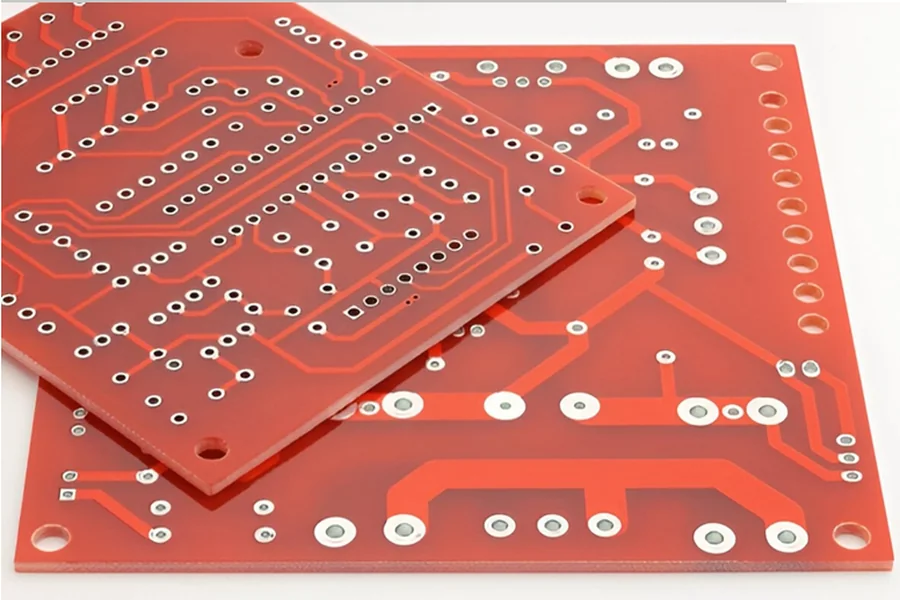
A custom printed circuit board is a PCB specifically designed and manufactured to meet the unique requirements of a particular application. Unlike standard off-the-shelf boards, custom PCBs are tailored in size, shape, layer count, material type, and circuit layout to optimize performance and functionality. These boards are essential in industries where precision, space efficiency, and specialized electrical performance are critical, such as medical devices, aerospace systems, consumer electronics, and industrial automation.
Why Choose a Custom Printed Circuit Board?
The main reason for selecting a custom printed circuit board is to achieve a design that perfectly aligns with your product specifications. This allows engineers to create compact, high-performance devices without compromising reliability. Custom PCBs can integrate unique features like specific hole placements, flexible sections, or high-frequency support. They also enable improved thermal management, signal integrity, and durability, especially in applications exposed to harsh environments.
Design Process of a Custom Printed Circuit Board
Creating a custom printed circuit board involves several key stages:
- Requirement analysis – Understanding the product’s electrical, mechanical, and environmental needs.
- Schematic design – Creating a circuit diagram that defines the connections and components.
- PCB layout – Designing the physical arrangement of traces, vias, and pads.
- Material selection – Choosing from FR4, high-frequency laminates, flexible substrates, or metal cores based on the application.
- Prototyping and testing – Producing sample boards to verify design performance before mass production.
Types of Custom Printed Circuit Boards
Custom PCBs can be manufactured in various formats depending on the application’s demands:
- Single-layer custom PCBs – Simple and cost-effective for basic devices.
- Multilayer custom PCBs – High-density designs for complex electronics.
- Flexible custom PCBs – Bendable boards for compact or moving parts.
- Rigid-flex custom PCBs – A combination of rigid and flexible sections for advanced designs.
- High-frequency custom PCBs – Ideal for RF and microwave applications.
Advantages of Custom Printed Circuit Board
Opting for a custom printed circuit board offers multiple benefits:
- Optimized performance – Tailored layout and materials ensure maximum efficiency.
- Space savings – Designed to fit precisely into compact enclosures.
- Improved durability – Built to withstand specific operating conditions.
- Design flexibility – Ability to integrate unique shapes, sizes, and functionalities.
- Cost efficiency in mass production – Reduced waste and better manufacturing yield.
Applications of Custom Printed Circuit Board
Custom PCBs are widely used across industries:
- Medical – Diagnostic equipment, monitoring devices, and surgical tools.
- Aerospace – Flight control systems, satellite communications, and navigation devices.
- Consumer electronics – Smartphones, wearables, and home automation systems.
- Automotive – Engine control units, infotainment systems, and safety modules.
- Industrial equipment – Motor controls, automation systems, and power converters.
Manufacturing Considerations for a Custom Printed Circuit Board
When manufacturing a custom printed circuit board, factors such as trace width, copper thickness, thermal management, and component placement must be carefully addressed. Special attention is given to impedance control for high-speed circuits, heat dissipation for power boards, and flexibility for moving parts. Choosing the right manufacturing technology ensures the final board meets both performance and cost targets.
Partnering with the Right Expert for Custom Printed Circuit Board Production
For best results, it’s essential to work with an experienced Custom PCB manufacturer who understands complex design requirements and advanced fabrication techniques. A skilled manufacturing partner can guide you through material selection, design optimization, and quality control to deliver PCBs that match your exact specifications. This collaboration ensures reliability, performance, and a faster time to market for your electronic products.
