


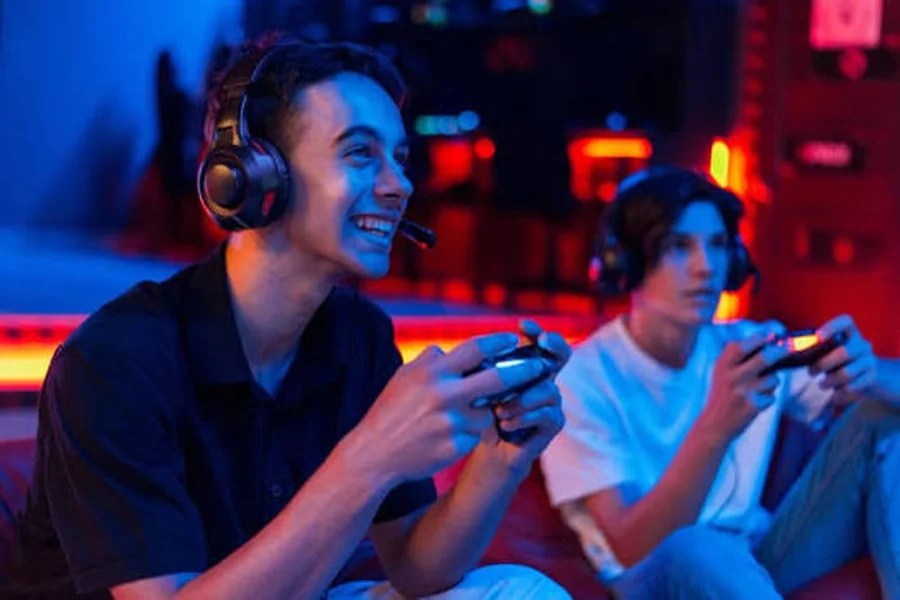
Online depo 10k has become a central part of modern digital culture. Millions of people around the world use computers, smartphones, and gaming consoles to participate in interactive experiences that connect them with other players. Unlike traditional games that are played alone or with people in the same room, online games allow users to compete and cooperate across great distances.
The industry has changed considerably over the years. Improvements in internet connectivity, graphics technology, mobile devices, and cloud computing have made games more accessible and sophisticated. Today, online gaming is not simply a source of entertainment. It is also a social activity, competitive platform, creative outlet, and growing professional industry.
The Journey of Online Gaming
The development of online gaming began with relatively simple multiplayer experiences. Early internet-based games were restricted by slow connections and limited computer capabilities.
As internet infrastructure improved, developers were able to create more complex multiplayer systems. Games could support larger numbers of users and maintain persistent online environments.
This gradual development eventually produced the large-scale online experiences that are common today.
Connecting Players Around the World
One of the strongest features of online gaming is global connectivity. Players can enter the same virtual environment regardless of their physical location.
This creates opportunities for people to interact with individuals from different countries and cultures. A shared game objective can bring players together even when they have little else in common.
International gaming communities have grown as a result of this constant connectivity.
The Human Element of Multiplayer Games
Playing against another person is fundamentally different from playing against a predictable computer-controlled character. Human players can change their tactics, make unexpected decisions, and react to situations creatively.
This unpredictability gives multiplayer games a unique quality.
Even after playing the same game many times, users can encounter new situations because the behavior of other players constantly changes.
Competition and Personal Improvement
Online games often encourage competition through rankings and performance statistics. Players can see how they compare with others and identify areas where they need improvement.
Many competitive players spend time practicing specific skills, learning strategies, and reviewing their previous performances.
This process creates a sense of progression. Even when players lose a match, they may gain knowledge that helps them perform better in the future.
Cooperation and Team Strategies
Cooperative online games require participants to work toward shared objectives. Team members may have different abilities and responsibilities.
Successful teams communicate effectively and understand how their individual actions affect the group.
These experiences can make victories particularly satisfying because the outcome depends on collective effort.
The Social Side of Online Gaming
Gaming has become a social activity for many people. Voice communication, messaging, and community systems allow players to interact during matches.
Friends can use games as a convenient way to spend time together even when they live far apart.
Gaming communities can also introduce people to new friends who share similar interests.
The Influence of Mobile Gaming
Mobile gaming has expanded the reach of online entertainment. Smartphones allow users to access multiplayer games without purchasing specialized hardware.
Many mobile games are designed for convenient sessions, making them suitable for people with different schedules.
The availability of mobile internet has further increased the popularity of connected gaming.
A Diverse Gaming Industry
Online gaming includes a wide variety of genres. Action games focus on fast reactions, while strategy games reward careful planning.
Role-playing games offer character progression and exploration. Racing and sports titles recreate competitive activities.
Simulation, survival, puzzle, and adventure games provide different experiences for players who prefer alternative styles.
The Rise of Competitive Gaming
Competitive online gaming has become a serious activity for skilled players. Ranked systems allow users to test their abilities against opponents of similar skill levels.
At the highest level, competitive gaming can lead to professional opportunities through esports.
Players who compete professionally often train regularly and work with teammates and coaches to improve their performance.
Esports and Professional Opportunities
Esports has developed into a global entertainment industry. Organized competitions attract players and spectators through online broadcasts and live events.
The industry provides opportunities for professional players as well as coaches, analysts, commentators, organizers, and production teams.
Sponsorships and advertising have also contributed to the commercial growth of competitive gaming.
Streaming and Gaming Creators
Gaming content has become extremely popular on video and streaming platforms. Players can broadcast their sessions and communicate with audiences in real time.
Creators may specialize in competitive gameplay, tutorials, reviews, entertainment, or gaming news.
Some successful creators have built large communities and professional careers around their content.
The Importance of Gaming Communities
Online communities help players share knowledge and stay connected. Forums, chat groups, and social platforms provide spaces for discussing strategies and updates.
Experienced players often help newcomers understand complicated game mechanics.
Communities can also organize events, competitions, and creative projects, making the gaming experience more active beyond the game itself.
Technology Behind Modern Games
Online games require sophisticated systems to operate smoothly. Servers manage player connections, store information, and maintain shared game environments.
Fast internet connections reduce latency and make real-time interaction more responsive.
Powerful hardware and modern graphics engines allow developers to create detailed worlds with complex visual effects.
Artificial Intelligence in Gaming
Artificial intelligence is increasingly being used to improve gaming experiences. AI can make computer-controlled characters more responsive and help developers with testing and content creation.
In the future, AI could create games that react more closely to individual player behavior.
Different users might experience different challenges depending on their skill level, decisions, and playing styles.
Virtual Reality and Immersion
Virtual reality has the potential to make online gaming more immersive. Players can enter digital environments using specialized headsets and controllers.
Multiplayer VR can allow several people to interact inside the same virtual space.
As technology becomes more accessible, immersive gaming could become a larger part of the online entertainment market.
Benefits of Online Gaming
Responsible gaming can provide meaningful entertainment and social interaction. Team-based games can encourage cooperation, while strategy titles can involve planning and problem-solving.
Creative games allow users to build and experiment within digital environments.
Gaming can also provide a way to relax and enjoy free time after completing everyday responsibilities.
Managing Screen Time
Despite its advantages, online gaming should be balanced with other activities. Spending too much time playing can interfere with sleep, exercise, studies, work, and relationships.
Players can maintain healthier habits by taking regular breaks and setting reasonable limits.
A balanced approach allows gaming to remain enjoyable without becoming disruptive.
Online Safety Matters
Online interaction comes with certain security and privacy concerns. Players should be careful about sharing personal information with strangers.
Strong passwords and two-factor authentication can help protect accounts. Suspicious links and unofficial downloads should also be avoided.
Players should make use of blocking and reporting tools when they experience harassment or inappropriate behavior.
The Business of Online Gaming
The gaming industry generates substantial economic activity through game sales, subscriptions, advertisements, digital content, and other services.
It also supports a wide range of careers, including programming, game design, animation, sound production, marketing, customer support, esports, and content creation.
As the industry continues to expand, new professional opportunities are likely to emerge.
Cloud Gaming and Future Accessibility
Cloud gaming could make advanced games accessible without requiring users to own expensive hardware. Processing can take place on remote servers, while players receive the gameplay through the internet.
This technology may help broaden access to high-quality games.
Reliable network performance will remain important, but improvements in internet infrastructure could make cloud gaming increasingly practical.
The Future of Online Gaming
The future of online gaming will likely involve more immersive and intelligent experiences. Artificial intelligence may create responsive characters and personalized challenges.
Cloud technology could allow players to access games through a broader range of devices. Virtual and augmented reality may introduce new forms of interaction.
Gaming communities may also become more integrated into digital worlds, allowing users to socialize, attend events, create content, and participate in shared activities.
Conclusion
Online slot bonus has transformed the way people experience digital entertainment. It combines interactive gameplay with social communication, competition, creativity, and technological innovation.
From smartphones and esports to artificial intelligence and cloud gaming, the industry continues to expand in new directions. Players now have more choices and more ways to connect than ever before.
As technology advances, online gaming will continue to evolve. With responsible gaming habits and strong online safety practices, it can remain an engaging form of entertainment while providing new opportunities for connection, competition, and creativity.
